Loading...
Serving Galveston, TX and surrounding areas. (409) 497-0061
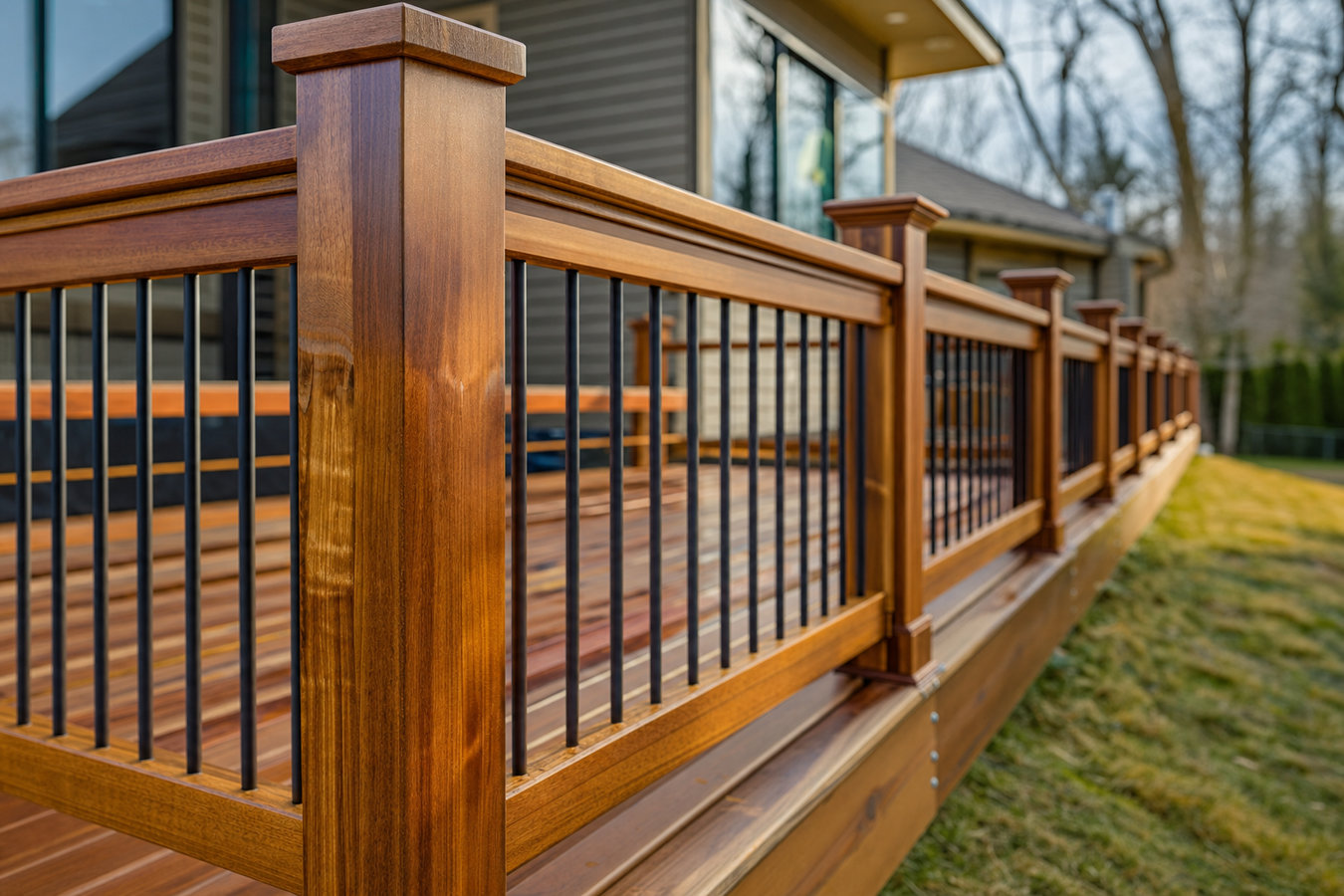
A wobbly post or a railing that was not built for your elevated home is a safety problem, not a cosmetic one. We install deck railings anchored to the frame, rated for coastal conditions, and permitted through the City of Galveston.
Deck railing installation in Galveston involves anchoring posts directly into the structural frame of your deck, building out baluster panels to code spacing, and installing a top rail - most standard single-level deck projects are completed in one full workday once permits are in hand.
Railings on Galveston decks face more wear than those in most other Texas cities. Salt air corrodes metal hardware and fasteners faster than inland climates. Wood absorbs moisture from the Gulf humidity and begins to soften from the inside before the surface shows visible rot. A railing that passed inspection five years ago on the island may already have failing post connections that are not visible until you push on them. If any post on your current railing moves when you lean against it, that is not a cosmetic problem - it is the railing failing at the point where it matters most.
For homeowners building a new deck from scratch, we include railing installation as part of every elevated deck project. If you are planning a full deck build, see our multi-level decks page, where railings are integrated into the structural design of each level from the start.
Stand at each corner of your deck and give the posts a firm push. If any post moves, shifts, or feels loose at the base, the connection to the deck frame has likely failed. A wobbly post is not a cosmetic issue - it means the railing could give way under pressure, which is a serious fall risk for anyone leaning against it.
In Galveston's salt air and humidity, surface deterioration happens faster than in most of Texas. If you notice orange rust streaks on metal components, soft or spongy wood when you press on it, or paint that is bubbling and peeling away, the material underneath is breaking down. Surface rust and minor peeling can sometimes be addressed with maintenance, but widespread deterioration usually means a full replacement is more cost-effective.
Look at the spacing between the vertical posts that fill the railing panel. If you can fit your fist through the gap, the spacing is too wide to meet current safety standards. Older Galveston homes, particularly those built before the 1990s, often have railings that do not meet today's child safety requirements - and that gap can be a liability if someone is injured.
Many elevated Galveston homes have decks or upper-level porches that were built or modified without proper railings. If your deck sits 30 inches or higher above the ground - common on pier-raised homes here - and there is no railing in place, you are missing a required safety feature. This matters especially when children or elderly family members use the space.
We install deck railings as both standalone projects and as part of full deck builds. For standalone railing jobs, we start by checking your existing deck frame - posts need to be anchored into the structural joists and beams, not just the surface boards, so we confirm the frame is solid enough to support the new railing before any work begins. If the deck frame has deteriorated to the point where post anchoring is not reliable, we will tell you that during the estimate rather than after installation. Stair railings and gate hardware are included in our scope wherever your deck requires them - those have their own height and angle requirements that we handle as part of the same job.
Material selection is part of every estimate conversation. For most Galveston properties, we recommend aluminum, powder-coated steel, or composite over wood because the maintenance demands in a coastal environment are simply lower - homeowners who want open sightlines from their deck sometimes ask about cable railing for decks, which is another low-maintenance option that holds up well in salt air. See the North American Deck and Railing Association for material performance guidelines. If you prefer wood for its appearance and are committed to maintaining it, we will walk you through what that maintenance schedule looks like in a salt-air climate so you can make an informed choice. For homeowners building new elevated decks, our custom deck design and build service integrates railing design into the full structural plan from the start.
For decks that currently have no railing and need one installed to meet safety and code requirements - including elevated Galveston pier homes.
Suits homeowners with deteriorated or failing railings where repair is no longer practical - we remove the old system and install a new one from posts to top rail.
The most popular choice for Galveston properties - corrosion-resistant, low-maintenance, and available in several finishes that hold up in salt air without annual painting.
Right for decks with stairs or pool access that require angle-specific railing sections and latching gate hardware installed to meet local safety code.
Galveston's position on a Gulf Coast barrier island makes railing durability a real concern that homeowners on the mainland do not face to the same degree. The salt air that comes off the water year-round is genuinely corrosive - standard metal hardware that would last a decade in Dallas can show significant rust in two or three years here without the right material choices. Wood railings that look fine in spring can begin softening from moisture by fall if they are not properly sealed. We choose materials rated for coastal exposure and anchor methods that account for the elevated structures common on this island. Homeowners in Texas City and Hitchcock face similar coastal humidity conditions, and we build to the same standard across the service area.
Galveston also has a large share of elevated pier-and-beam homes, and railing work on those structures is more involved than on a ground-level deck. The posts need to be anchored into framing that may sit several feet off the ground, and the railing height requirements can be greater for decks at significant elevation. If your home falls within one of Galveston's historic neighborhoods, the City of Galveston Building Department may have design guidelines that affect railing material or style. We know those requirements and factor them into every project from the estimate forward.
We reply within one business day. We will ask a few basic questions about your deck - size, current railing condition, and what material you are considering. You do not need to have all the answers ready; we will figure out the details when we see the deck in person.
We visit your home, measure the deck perimeter, check the height from the ground, and look at the condition of the existing structure and frame. You will leave the conversation with a written estimate that breaks down labor and materials separately - not a verbal ballpark.
If your project requires a building permit - common in Galveston for new railing installation or full replacement - we submit the application to the city on your behalf. This adds a few days to the timeline before work begins, but it means the finished job will be inspected and approved. You do not need to do anything during this step except wait for the green light.
On the day of work, we anchor the new posts into the deck frame, build out the panels, and install the top rail. Most single-level jobs are done in one full day. Before we leave, we walk the entire railing with you - push on every post, check the top rail, and look at baluster spacing together. Any city inspection is scheduled and handled by us.
Free written estimate, no obligation. We reply within one business day.
(409) 497-0061The strength of a railing depends almost entirely on how the posts are connected. We bolt every post directly into the structural joists and beams of your deck - not the decking surface boards. That connection is what separates a railing you can lean against confidently from one that moves when you push it. It is also the connection a city inspector checks.
A large share of Galveston homes are pier-raised, which means railings here often need to be anchored into structural frames that sit several feet off the ground. We have worked on elevated homes across the island and know what those structures require - proper post heights, correct railing elevation for the deck's height from grade, and anchoring that accounts for the frame type.
One of the most common worries homeowners have when hiring a contractor is that the final bill looks nothing like the estimate. We give you a written, itemized quote before any work begins, and we talk through any changes with you before they happen. The number you agreed to at the start is the number you pay at the end.
Galveston's permit process for railing work adds a step that some contractors skip. We do not - a permitted installation means a city inspector confirms the railing is safe before you rely on it, and it means no permit problems at closing if you sell the home. We also plan timelines around Galveston's hurricane season calendar so the work is done before June. For railing safety standards, the Consumer Product Safety Commission publishes guidelines we reference on every job.
A railing on a Galveston elevated home is not a decorative finish - it is a structural safety feature. We treat it that way on every job, from the first post anchor to the final walkthrough with you.
Planning a new deck from scratch? We integrate railing design into the full structural plan so every elevated section is built right from the start.
Learn MoreMulti-level decks require properly anchored railings on every elevated platform - see how we handle the full build, including railing installation at each level.
Learn MoreSpring slots fill fast before hurricane season - lock in your date now and we will handle the permit process for you.