Loading...
Serving Galveston, TX and surrounding areas. (409) 497-0061
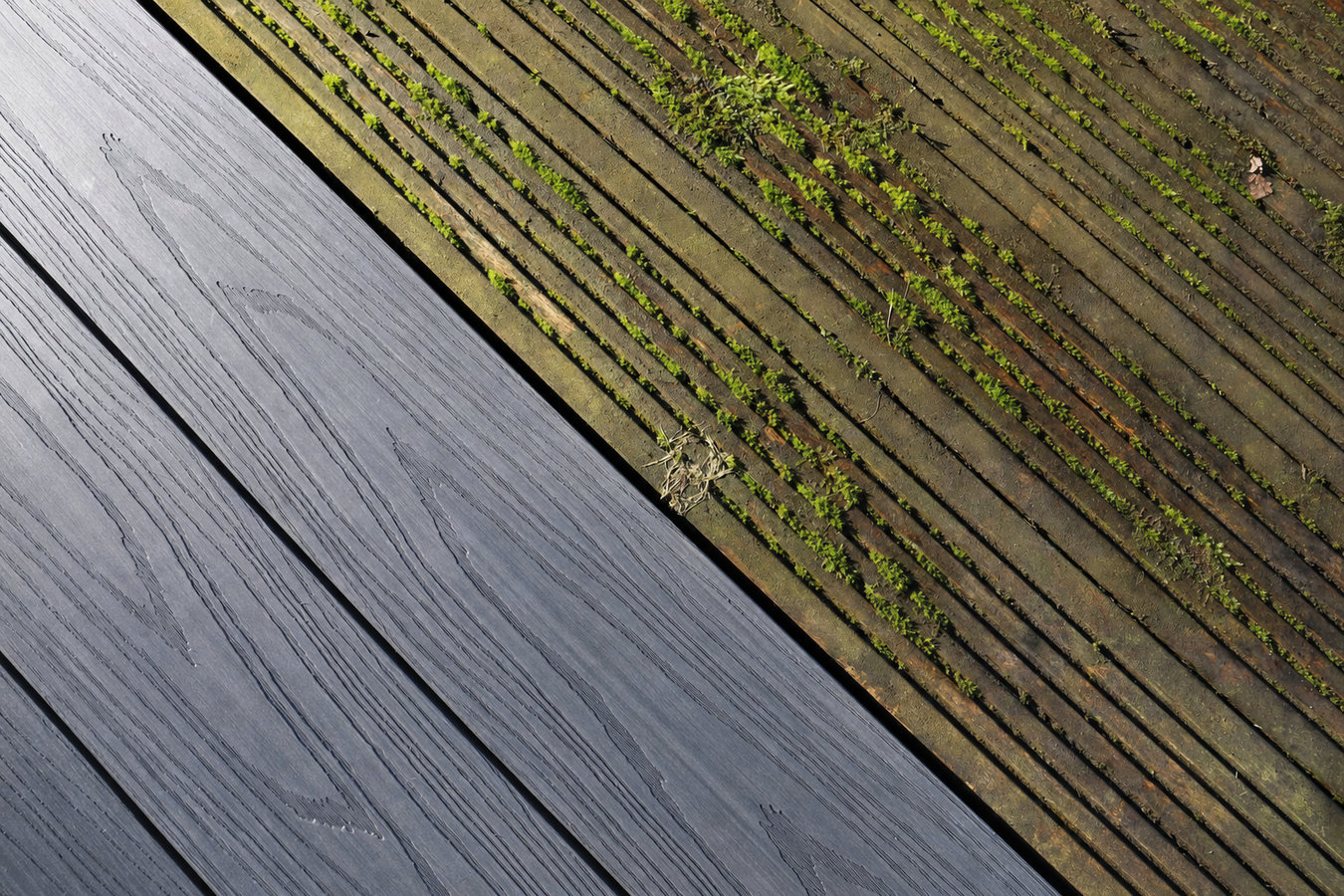
If your deck has soft spots, wobbly railings, or rust stains from corroded hardware, we assess what is fixable and what needs to go - and give you a straight answer before any work starts.
Deck repair and replacement in Galveston starts with an honest assessment - we probe the frame, check the ledger, and tell you what is actually going on before quoting a price. Most repairs take one to two days, while a full tearout-and-rebuild typically runs two to five days of construction once permits are approved.
Galveston's salt air and high humidity put more stress on decks than almost anywhere else in Texas. Fasteners corrode. Wood rots faster than it would inland. A deck that looked fine two years ago can develop real structural problems when the right conditions line up - and those problems are not always visible from the top. If you have been avoiding your deck because something feels off, that instinct is worth trusting.
After the repair or replacement is done, we also offer deck staining and sealing to protect the new wood from the start. It is one of the best things you can do to extend the life of the work we just completed.
Walk slowly across your deck and pay attention to any spots that feel soft, springy, or slightly sunken when you step on them. That feeling usually means the wood underneath has started to rot - a direct result of Galveston's year-round humidity and the moisture that collects in shaded or low-airflow areas. Soft spots do not fix themselves; they spread, and what starts as one bad board can become a structural problem.
Stand at the edge of your deck and give the railing a firm push. It should feel completely solid - no wobble, no give, no creaking. A railing that moves is a safety issue, not just a cosmetic one. In Galveston's salt air, the metal connectors holding railings in place are often the first things to corrode and fail.
Look at the metal screws, bolts, and joist hangers on the underside of your deck. In Galveston's salt air, these can rust through in a fraction of the time they would in an inland city. Orange or brown streaking on the wood around fasteners means the hardware is failing, which weakens the whole structure even if the boards on top still look fine.
Look at the point where your deck meets the exterior wall of your home. If you can see a gap, or if the board connecting the deck to the house looks warped or separated, that is a serious warning sign. Water getting into that joint during Galveston's heavy rain events can rot the wall framing behind it, turning a deck problem into a far more expensive home repair.
We handle everything from swapping out a handful of rotted boards to a complete tearout-and-rebuild from the footings up. The right answer depends on the condition of your frame - specifically whether the posts, beams, and the board that connects your deck to the house are still structurally sound. We tell you what we find honestly, in plain terms, before you commit to anything. If your frame is solid and only the surface boards need work, a targeted repair saves you money. If the structure underneath is compromised, a full replacement with coastal-rated materials will outlast another repair job by many years.
We also build entirely new decks when that is the right outcome - in cedar or pressure-treated wood depending on what fits your budget and the way you plan to use the space. Every replacement project we take on includes the city permit, the inspection coordination, and proper sealing at the ledger board connection - because that is where water gets into homes on the island.
Suits homeowners with a sound frame but rotted or damaged surface boards, loose railings, or corroded fasteners that need replacing before the next season.
Suits homeowners where the posts, joists, or ledger board have started to fail - we reinforce or replace the structural members while keeping what is still solid.
Suits homeowners whose structure is too compromised to repair cost-effectively - complete tearout down to the footings and a fresh build to current coastal code.
Suits homeowners on pier-and-beam foundations - we have the experience and equipment to assess and rebuild decks set eight to twelve feet or more off the ground.
Salt air and humidity are harder on outdoor structures here than almost anywhere else in Texas. Standard lumber and hardware that might last twenty years in a dry inland city can fail in five to ten years on a Galveston island property without the right materials and coatings. That is not an exaggeration - the combination of salt-laden air, high moisture, and UV exposure from the Gulf sun accelerates decay in ways most homeowners do not expect until something fails. Much of Galveston's housing stock consists of older homes - many built before Hurricane Ike in 2008 - and decks on those properties are sometimes original or have been patched together over decades. If your home is older, it is normal for us to find more damage once we start pulling boards back. We tell you before we start how we handle unexpected findings, so there are no surprises mid-project. We work across the island and nearby mainland communities, including La Marque, where pier-and-beam homes are common.
Galveston is also in a high-wind zone, and local building codes require decks to be built with connections and fasteners rated to handle the uplift forces a Gulf storm can generate. If you are replacing an older deck, this is a good time to make sure the new structure meets current wind-resistance requirements - because an older deck may have been built before those standards were tightened after Ike. We also serve Dickinson and build to the same coastal standards across all of our service area. A large portion of Galveston is in a designated flood hazard area, so we make sure every replacement project accounts for local elevation requirements - protecting your flood insurance and your home's value when you sell.
We ask you a few basic questions - the size of your deck, how old it is, and what problems you have noticed. We reply within one business day and schedule a site visit, because no honest contractor can give you a real number without seeing the structure in person.
We walk the deck, probe the wood for soft spots, check the frame underneath, and look at how the deck connects to your house. We explain what we find in plain terms and give you a written estimate that breaks out labor and materials separately - no vague lump sums.
For most deck replacements in Galveston, we submit a permit application to the City of Galveston before any work begins. This step usually takes a few days to a couple of weeks. We handle it - you just need to clear furniture, grills, and anything stored under the deck before the crew arrives.
On day one, the crew tears out the old deck and hauls away the debris. Construction follows - footings, frame, decking boards, railings. A city inspector visits to check the structure at key points, and we coordinate that visit for you. Final walkthrough before we leave.
We come out, assess the structure honestly, and tell you exactly what we see - before you commit to anything. No obligation.
(409) 497-0061We probe the posts, beams, and ledger board before we give you a number - not just walk across the top. Hidden rot is common on older Galveston homes, and a contractor who finds it mid-project without warning you first is a contractor who did not do their job upfront.
We use hot-dipped galvanized or stainless steel fasteners and corrosion-resistant hardware on every deck we build or repair in Galveston. Standard inland hardware rusts through in salt air within a few years, and failing hardware is the most common cause of structural deck problems on the island.
We pull the City of Galveston permit on every replacement project and coordinate the city inspection before we call the job done. A permitted deck protects your flood insurance, your homeowner's insurance, and your ability to sell the home without complications down the road.
The connection between your deck and your house is the most common entry point for water damage in a city that sees heavy Gulf rain and occasional storm surge. We flash and seal every ledger board properly so your walls stay dry - preventing a deck problem from becoming a much more expensive home repair.
A thorough assessment, the right materials, a proper permit, and a sealed ledger connection - that is the difference between a deck repair that holds and one that fails again in two years. It is also what protects your home from water damage long after we are done. The North American Deck and Railing Association (NADRA) provides good guidance on what a proper deck assessment should include - it is worth knowing what to expect from any contractor you call.
After your repair or replacement is done, a proper stain and sealant coat protects the new wood from Galveston's salt air right from day one.
Learn MoreWhen a full replacement is the right call, cedar is a natural, rot-resistant choice that holds up well in Galveston's coastal climate.
Learn MoreContractor schedules on the island go fast heading into spring - reach out now and we will have someone out to look at your deck within one business day.