Loading...
Serving Galveston, TX and surrounding areas. (409) 497-0061
Pressure-treated wood is the most proven material for outdoor decks. Built right with coastal hardware and proper permits, it gives Galveston homeowners a durable, budget-friendly outdoor space built to last.
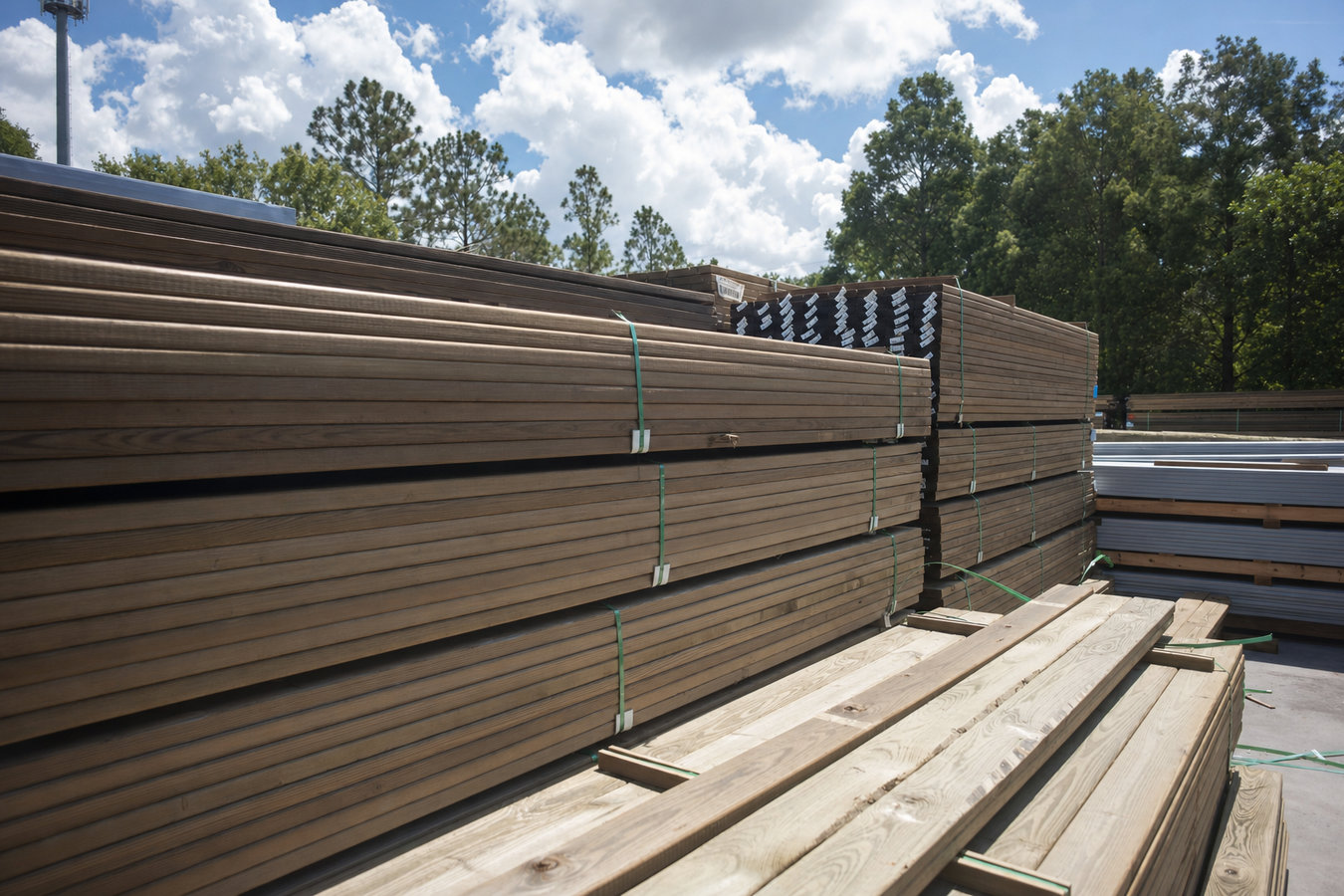
Pressure-treated wood deck construction in Galveston involves digging and setting footings, building a frame of beams and joists, and laying decking boards on top, with most 200-400 square foot projects completed in three to five working days once the permit is approved.
Pressure-treated lumber is wood that has been soaked in a preservative solution under high pressure, forcing protective chemicals deep into the wood fibers. That process gives it genuine resistance to rot, insects, and moisture - which is why it remains the most widely used material for outdoor decks across the country. The key in a coastal environment like Galveston is pairing the right lumber grade with corrosion-rated hardware and a consistent sealing schedule.
If you want to compare your options before committing, our cedar wood deck construction and deck staining and sealing pages explain how different materials hold up under Gulf Coast conditions.
If you press your foot down on a board and it gives more than it should, or if you can push a screwdriver into the wood with little resistance, the wood has started to rot from the inside out. In Galveston's humid, salty environment, this process happens faster than in drier climates. Catching it early before it becomes a safety issue is the smarter move.
If you can see a gap opening between your deck and the exterior wall, or if the whole structure looks like it is tilting, the connection points or the footings underneath have likely failed. This is a structural problem - a deck pulling away from the house is no longer safe to use. A new deck with properly engineered footings and flashing is the right solution.
Galveston updated its flood elevation requirements several times after Hurricane Ike in 2008, and older decks may not meet today's standards. If your deck sits unusually low relative to your home's main floor, or if it was built before 2010, it is worth having a contractor evaluate whether it was built to current local requirements - both for safety and for insurance purposes.
Salt air corrodes metal fasteners faster than in inland areas. If you are seeing rust streaks running down your deck boards, or if railings wobble when you grab them, the hardware holding the structure together may be failing. A contractor can assess whether repairs are sufficient or whether a full rebuild makes more financial sense.
Every project starts with the right lumber grade for the application - not all pressure-treated wood is the same, and the correct grade for ground contact is different from what goes on the surface boards. We use corrosion-resistant hardware throughout, because in Galveston the fasteners and connectors are just as important as the lumber itself. If you are thinking about a more involved project, we can pair a new deck with our cedar wood deck construction service for natural wood accents, or discuss long-term protection options through our deck staining and sealing work.
We handle everything from straightforward ground-level builds to decks attached to elevated pier-and-beam homes - which is common throughout Galveston. Every project is permitted through the City of Galveston's Development Services office before any work begins, and we coordinate all required inspections so you are covered from the first footing to the final sign-off.
Suits homeowners adding a first deck to their property, including footings, framing, decking boards, stairs, and railings.
Suits homeowners whose existing structure has failed and needs to be demolished and rebuilt to current Galveston standards.
Suits Galveston homeowners on piers or elevated foundations who need a deck tied in safely at a significant height above grade.
Suits homeowners who want built-in seating, planters, or integrated lighting as part of a new pressure-treated wood deck.
Galveston is a barrier island in the Gulf of Mexico, and every material that goes into a deck faces salt air, high humidity, and intense UV exposure year-round. These conditions break down wood finishes faster than in inland Texas cities, so the lumber grade your contractor specifies and the sealant schedule they recommend genuinely matter more here than they would in Austin or Dallas. Galveston's soil is largely sandy, which also affects how footings must be sized and placed - footings that work fine in Houston's clay soil may not be adequate on the island.
We build throughout the Gulf Coast region. Homeowners in Alvin and communities near Santa Fe face similar coastal conditions, and we apply the same approach to hardware specification and permit compliance on every project we take on in the area.
We start with a brief call to understand the scope of what you want, then schedule an in-person visit to your property. We reply within 1 business day. We look at the space, assess any existing structure, and check how your home is built - especially if it is on piers - before giving you any numbers.
After the visit, we provide a written, itemized estimate covering materials, labor, and permit fees. Once you agree on the design and price, we apply for the required permit through the City of Galveston. Permit approval typically takes one to two weeks - we handle this for you.
We mark out the deck footprint, dig the footing holes, and pour the concrete anchors. Footings need time to cure before framing begins - typically one to two days. Once solid, we build the frame of beams and joists. This is when the deck really starts taking shape.
We lay the decking boards, add stairs, railings, and any built-in features. After construction, the city inspector visits to verify the work meets local building standards - we coordinate that visit. We then walk you through the finished deck and hand over your maintenance schedule.
No obligation. No pressure. Just a clear number from a contractor who knows coastal construction.
(409) 497-0061Not all pressure-treated wood is the same. We specify the correct treatment level for each part of the structure - ground contact versus above-ground applications - and pair it with corrosion-resistant hardware throughout. The American Wood Protection Association sets the standards for treatment levels, and we build to those specifications. American Wood Protection Association.
Every project goes through the City of Galveston's Development Services office. We have been handling permits and inspections in Galveston since 2017 and know the local process well. Your deck is on record with the city when we are done - which protects you at resale and with your insurance carrier.
A large portion of Galveston sits in FEMA-designated flood zones, and many homes are built on elevated piers. We know how to design footings for sandy island soil and how to tie a deck safely into an elevated structure. That combination of skills is not as common as you might think among deck builders who primarily work the mainland. FEMA Flood Map Service Center is a useful resource for homeowners checking their flood zone status.
Salt air and humidity mean your deck needs more attention than one built inland - but it does not have to be a burden. When the project is done, we walk you through exactly what to apply, when to apply it, and what to watch for. Most homeowners find it takes an afternoon once or twice a year to keep the surface looking good and the structure solid.
When the right lumber grade, the right hardware, and a properly permitted build come together, you get a pressure-treated deck that holds up through Galveston's tough seasons and adds real value to your home.
A premium natural wood option for homeowners who want the warmth and character of cedar with strong natural rot resistance.
Learn MoreKeep your new pressure-treated deck protected and looking its best through Galveston's salt air and intense UV seasons.
Learn MoreSpring slots fill quickly - reach out now and lock in your project before contractor schedules get tight ahead of hurricane season.